






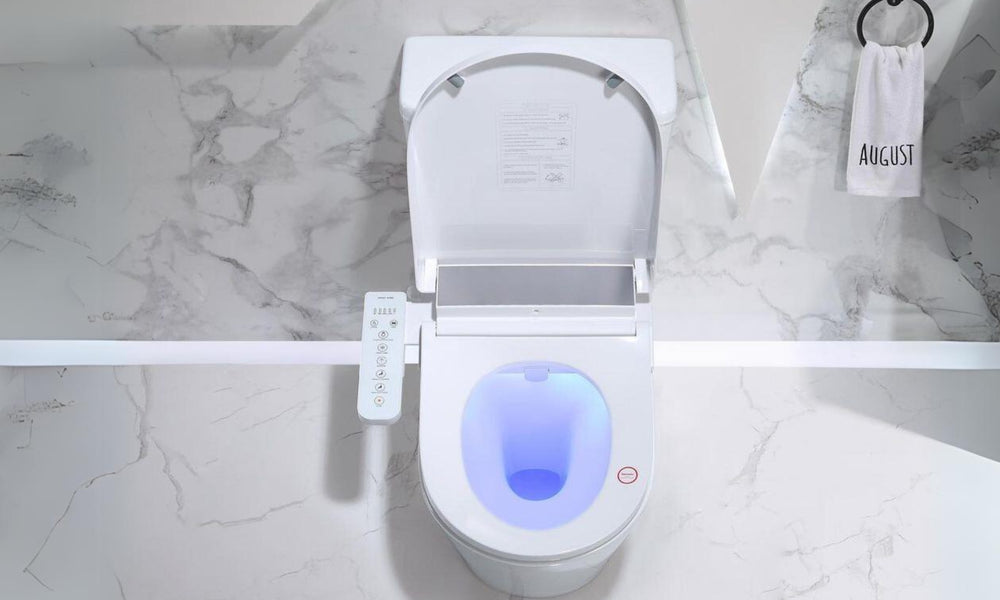


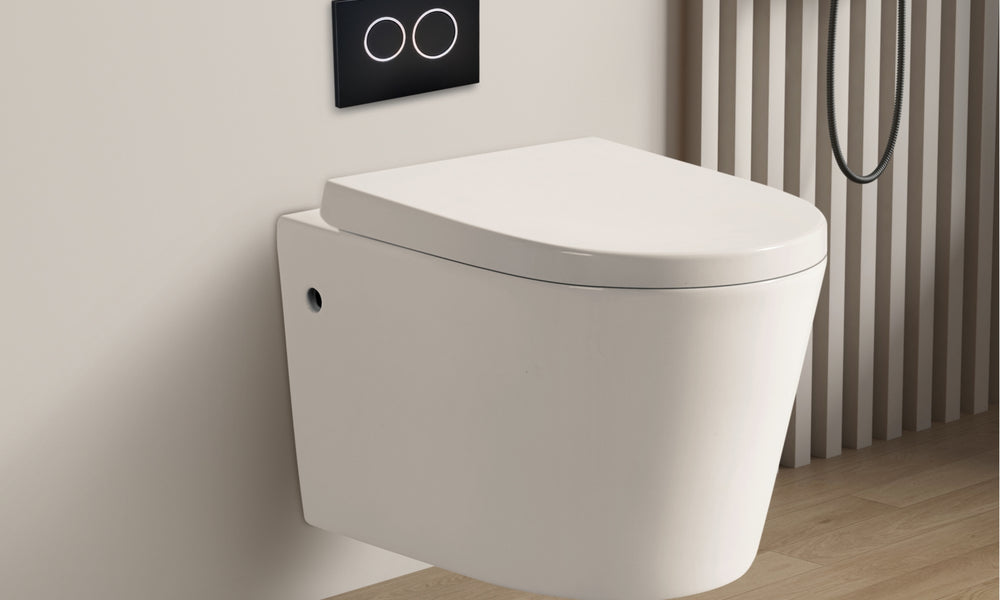

























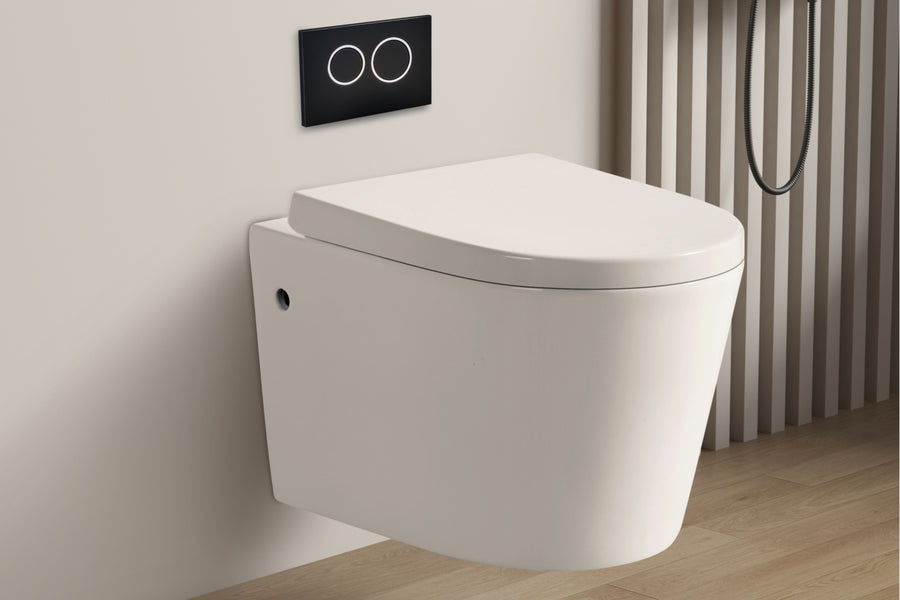



Most Australian homes with mains water pressure are already within the range a TOTO-style smart toilet or bidet seat needs. In practice, you want steady pressure under use (dynamic pressure), typically at least ~50 to 70 kPa, and you want your static pressure not to exceed 500 kPa at any outlet, because excessive pressure can damage valves and fittings over time.
Smart Toilets and Water Pressure Requirements
Water pressure is one of the first things people worry about when upgrading to a smart toilet, especially if they are adding a bidet seat such as a TOTO WASHLET. The good news is that most installs are straightforward on Australian mains supply. The problems tend to show up in a few specific situations: rainwater tank pumps that are underpowered or poorly regulated, older homes with restrictive pipework, apartments with pressure limiting valves set very low, or systems with clogged inlet filters.
Below is how water pressure actually works for smart toilets, what numbers matter, and what to do if performance is weak.
The Two Pressures That Matter: Static Vs Dynamic
When you read a spec sheet, you will often see two types of pressure referenced:
Static pressure
This is the pressure in the pipe when no water is flowing (tap off). Australia commonly limits maximum static pressure at any outlet to 500 kPa to reduce water hammer, appliance damage, and noise.
Dynamic pressure
This is the pressure while water is flowing (tap on). Dynamic pressure is what your smart toilet actually “feels” during use. A system can have decent static pressure, but poor dynamic pressure if the pipework is undersized, the stop valve is partially closed, a filter is blocked, or a pump cannot keep up.
Takeaway: if your bidet spray feels weak or inconsistent, it is almost always a dynamic pressure or flow restriction issue, not a static pressure issue.
Typical Pressure Ranges You Will See On Toto Smart Toilet Products
TOTO bidet seats and smart toilet components commonly specify a minimum dynamic pressure and a maximum static pressure.
For example:
-
Many TOTO WASHLET manuals list minimum required water pressure of 0.05 MPa (50 kPa) dynamic and maximum 0.75 MPa (750 kPa) static.
-
TOTO WASHLET spec sheet (C5) lists a working water pressure range of 0.07 MPa to 0.75 MPa (70 to 750 kPa).
How This Fits The Australian Context
Even though some product specs allow up to 750 kPa, Australian plumbing design commonly aims to ensure no outlet exceeds 500 kPa static. So in many Australian homes, you are operating inside both:
-
The smart toilet’s minimum pressure needs, and
-
The Australian maximum outlet pressure expectation.
Why Water Pressure Vs Water Flow?
Smart toilet washing functions need enough pressure and enough flow to deliver a stable spray. You can have “good pressure” at the meter but still have poor flow at the toilet because of restrictions.
Common causes of restricted flow at the toilet include:
-
Partially closed isolation valve (toilet stop tap)
-
Kinked flexible hose
-
Blocked mesh filter screen in the bidet seat inlet
-
Debris in the supply line after plumbing work
-
A pressure limiting valve (PLV/PRV) set too low for your layout
-
Small diameter or long pipe runs to the ensuite
TOTO systems also use internal filters and valves to protect the unit, so cleaning or servicing those filters can have a big impact if performance drops.
Normal Pressure for Your Home
Many Australian systems are designed around a pressure limit of 500 kPa for residential outlets, and it is common to have a pressure reducing valve fitted if incoming pressure is higher.
That is why most mains-supplied homes do fine with smart toilets. Issues are more likely when:
-
You are on a tank or bore supply with a pump that cannot maintain pressure under load
-
You have a whole-house filter or water treatment system that causes noticeable pressure drop
-
You are in a multi-storey home or an apartment where pressure is managed per level
-
Multiple fixtures run at once (shower, washing machine, irrigation) and dynamic pressure at the toilet drops
How to check if your pressure is adequate
Quick checks
-
Does your toilet cistern fill normally and quickly?
-
When someone runs the shower, does the bathroom basin tap weaken dramatically?
-
Does the bidet spray start strong then fade, or pulse?
If you see big performance swings when other fixtures run, it points to dynamic pressure or flow limitations.
Better check with a plumber
A plumber can measure:
-
Static pressure at the nearest test point
-
Dynamic pressure while flowing water
-
Pressure at the toilet stop valve versus at the meter (to isolate where the drop occurs)
This is especially helpful on tank systems, apartments, or homes with PRVs that may be mis-set.
What Do Minimum Pressure Problems Look Like?
Signs your dynamic pressure is too low
-
Weak wash spray even at higher settings
-
Spray that fluctuates when other taps are used
-
Slow response when starting the wash cycle
-
In some setups, inconsistent auto functions (because the system is not filling as expected)
Fixes that usually solve it
-
Fully open the toilet isolation valve - It sounds basic, but it is common for the valve to be partially closed after maintenance.
-
Clean the inlet filter screen - Many bidet seats have a small filter at the water inlet to catch debris. If it clogs, performance drops.
-
Check for kinks in the flex hose - A tight bend behind the pan can choke flow.
-
Confirm the pressure reducing valve is not set too low - If your PRV is set conservatively low, the bidet can still work, but spray strength may feel underwhelming. Adjustments should be done by a licensed plumber.
-
Tank pump upgrades (if you are not on mains) - If you are using rainwater to the toilet and the pump cannot maintain pressure under demand, a plumber can review pump sizing, pressure controller settings, and whether a small accumulator tank would stabilise supply.
What Are The High Pressure Problems?
Even if a product spec permits high pressures, Australian plumbing guidance warns that high pressure can shorten the life of taps, valves, and appliances. Smart toilets add more internal valves and components, so keeping pressure controlled is a good long-term reliability move.
Signs pressure may be too high
-
Loud pipe bang (water hammer)
-
Taps “spitting” or noisy flow
-
Appliances failing early or leaking at joints
Fix
If static pressure at outlets is above typical limits, a plumber can install or service a pressure reducing valve and, where appropriate, water hammer arrestors.
Temperature And Water Quality That Affect Pressure Feel
While your topic is pressure, two related issues often get mistaken for pressure problems:
-
Cold water temperature and heater performance - Some smart seats heat water internally. If the supply is extremely cold, the unit may reduce flow slightly to maintain temperature. This feels like a pressure drop, but it is actually a controlled flow decision.
-
Sediment and scale - Hard water and sediment can clog filters, which reduces flow. If you notice performance slowly declining over months, it often points to filtration and cleaning, not a sudden pressure change.
Simple Buyer And Install Guidance
If you are planning content focused on TOTO smart toilet functionality, these are safe, useful points to include:
-
Target a stable supply that meets the product’s minimum dynamic pressure. TOTO commonly lists 50 to 70 kPa minimum depending on model.
-
Ensure household pressure is controlled so outlets do not exceed commonly referenced 500 kPa static in Australian plumbing guidance.
-
Recommend a licensed plumber to tee off the toilet supply correctly, confirm backflow requirements, and ensure the isolation valve and hoses are installed without restriction.
-
Mention filter maintenance as the most common fix for “weak spray” complaints.
TOTO-style smart toilets and bidet seats generally need modest minimum dynamic pressure to maintain a stable wash spray (often around 50 to 70 kPa) and they work best when your home’s water pressure is properly regulated, commonly to 500 kPa or less at outlets in Australian plumbing practice.


