




































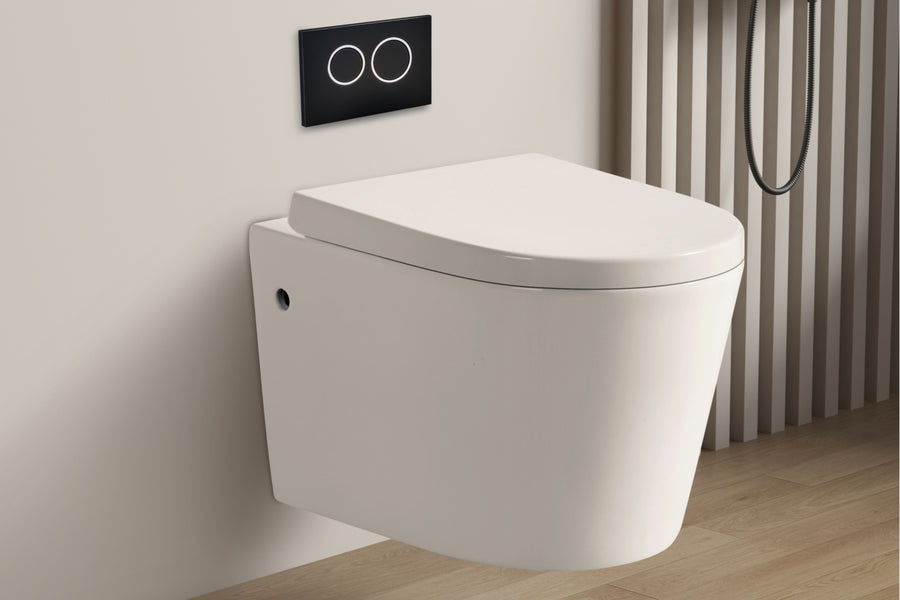





Retrofitting a smart toilet without a full renovation is usually easiest in Australia by installing a WaterMark-certified bidet seat like a TOTO WASHLET on your existing toilet, then adding a nearby RCD-protected power point and a compliant water connection with backflow protection, all done by licensed trades where required.
Retrofitting a Smart Toilet Without Full Renovation

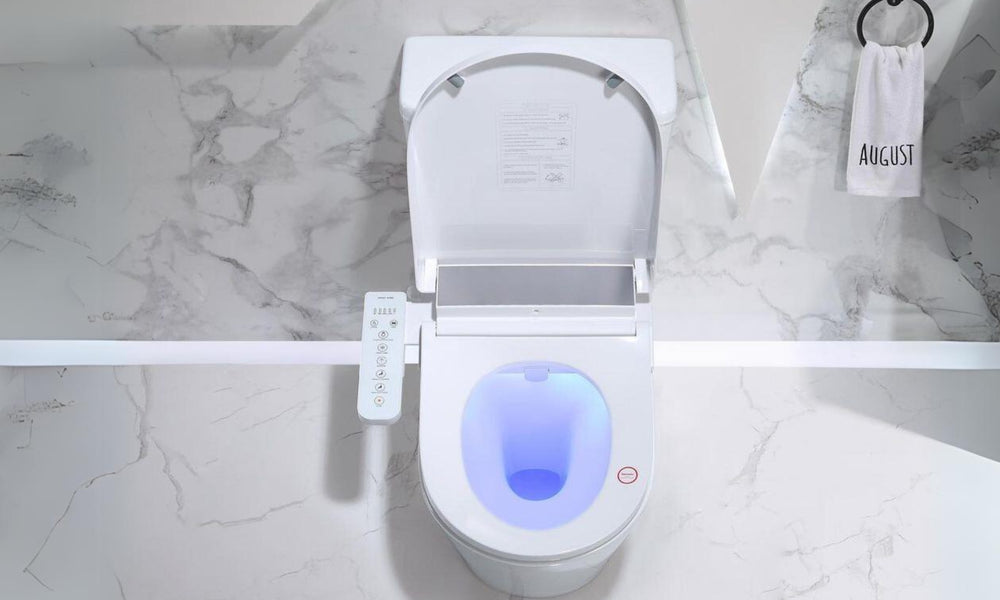
If you want smart toilet comfort (warm seat, bidet wash, dryer, deodoriser, auto functions) but do not want to rip up tiles or redo the whole bathroom, you are in luck. In Australia, the most practical “no renovation” path is typically retrofitting a smart bidet seat onto an existing toilet pan, rather than replacing the whole toilet with an integrated smart toilet.
That said, there are a few Australian-specific realities that matter a lot:
-
Plumbing products that connect to the water supply commonly need WaterMark certification.
-
Toilets have water efficiency requirements and are compared using WELS (Water Efficiency Labelling and Standards) labels and litres per flush.
-
Bathrooms have electrical “wet area” rules under AS/NZS wiring requirements, and you generally want compliant placement and RCD protection for any power point near a toilet.
Below is a clear, step-by-step way to plan a retrofit in an Australian home, with a focus on TOTO smart toilet functionality.
Option A (most common): Add a TOTO-style bidet seat to your existing toilet

This is the retrofit route most people can do without touching tiles or moving plumbing.
What you get
Depending on the model, a bidet seat can add:
-
Heated seat
-
Warm water wash (rear and front), adjustable pressure and position
-
Warm air dryer
-
Deodoriser
-
Soft close lid, sometimes auto open/close
-
Remote control functions
-
Self-cleaning wand routines
It gives you the “smart toilet” experience while keeping your existing pan and cistern.
What you need
-
Compatible toilet pan shape and size - Bidet seats are typically designed for specific pan shapes (often “D-shape” or elongated). Make sure the seat you choose matches your pan dimensions and the mounting hole spacing.
-
A water feed connection - Bidet seats need a cold water supply connection that is tee’d off your existing toilet water inlet.
-
A nearby power point - Many bidet seats run on standard AU mains power (commonly 220 to 240V). If there is no power point close enough, this becomes the main “extra step” and is where a licensed electrician usually comes in.
-
WaterMark compliance and backflow requirements - In Australia, bidet/toilet douche seats commonly fall under WaterMark technical specifications, and backflow prevention requirements are a key part of compliance. This matters because the bidet function introduces a cross-connection risk that regulations take seriously.
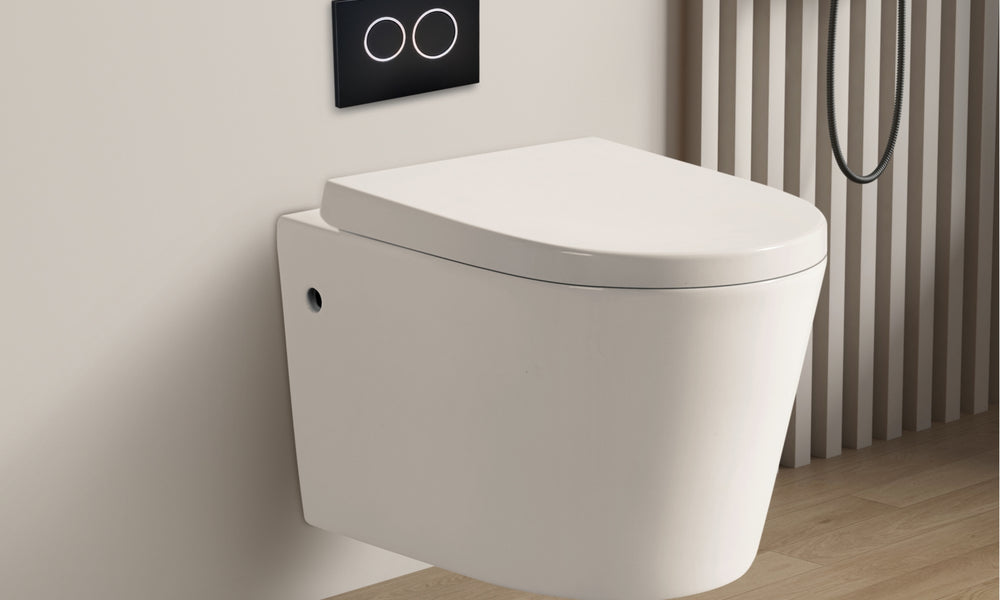
Option B: Replace the whole toilet with a smart toilet suite

This can still be done without a “full renovation” if you keep the same rough-in and do not move the waste pipe, but it is more involved than a seat swap.
What changes compared to a seat retrofit
-
Higher likelihood you will need a plumber for removal and installation
-
More chance of needing minor alterations if the new toilet’s dimensions differ
-
You may still need power installed in the right position for the smart functions
-
Higher cost, but a more integrated look
If your bathroom is already due for a toilet replacement, this option can be a clean upgrade without redoing the entire room.
WELS, WaterMark, and Licensed Installation
WELS: Water Use and What it Means for Retrofits
Toilets in Australia are compared using the WELS label (stars plus litres per flush). The label helps you compare products by water consumption.
If you are replacing the whole toilet, it is worth choosing a WELS-rated model that fits your household’s priorities (water savings, performance, etc.). Australian government guidance also notes meaningful savings when replacing older, high-volume toilets with more efficient options.
If you are only adding a bidet seat to an existing toilet, your toilet’s flush water use does not change, but you may use some additional water for washing. In practice, many people find the hygiene benefits outweigh that, and you can still keep overall water use sensible by having an efficient toilet to start with.
WaterMark: Why it Matters for Bidet Seats
WaterMark is Australia’s certification scheme for plumbing and drainage products. Bidet/toilet douche seats are covered by WaterMark technical specifications and related Plumbing Code requirements.
For a retrofit, this is one of the first boxes to tick: choose a product that is compliant for the Australian market.
Backflow Prevention: The Detail People Miss
A key compliance theme is backflow hazard management. South Australia’s guidance, for example, calls out that bidet douche seats must be WaterMark compliant and highlights high-hazard situations based on outlet height relative to the pan overflow level and air gap requirements.
You do not need to become a backflow expert, but you do want a plumber who understands what is required for your installation and product.
Power point planning for a retrofit
This is the main reason some “easy installs” become annoying.
Where the power point can go
Bathrooms are regulated “wet areas,” and placement rules apply to switches and sockets near baths, showers, and basins. NSW guidance based on AS/NZS 3000 wet area zones discusses clearances and IP protection considerations.
Takeaway: you usually want the power point outside splash zones, and installed in a compliant location by an electrician who knows the rules for your state.
RCD protection
Modern wiring rules emphasise RCD protection on final sub-circuits in residential installations. For a smart toilet seat, you want the circuit protection and installation done properly, not improvised.
Avoid dodgy workarounds
-
Avoid running extension cords into a bathroom
-
Avoid power boards tucked behind a toilet
-
Avoid DIY electrical work
Even if it “works,” it is not worth the safety risk or compliance issues.
Step-by-step retrofit plan
Step 1: Choose your retrofit approach
-
If you want minimal disruption: choose a bidet seat retrofit.
-
If your toilet is old, leaky, or inefficient: consider replacing the toilet and adding smart functions.
Step 2: Check toilet compatibility
For a bidet seat:
-
Pan shape (round, elongated, D-shape)
-
Clearance at the back for hoses and fittings
-
Distance to the cistern and tap positions
Step 3: Confirm water supply and shut-off access
A plumber may install:
-
A tee connection
-
An isolation valve (handy for servicing)
-
Any required backflow prevention equipment, depending on product and local requirements
Step 4: Plan the power point location
-
Identify where the cord will run (many units have relatively short cords)
-
Have an electrician quote to install a compliant power point
-
Confirm RCD protection and wet-area compliance
Step 5: Installation and setup
Once installed, most smart seats let you configure:
-
Water temperature, pressure, nozzle position
-
Seat temperature
-
Dryer temperature
-
Deodoriser settings
-
User presets (model-dependent)
Common Australian retrofit pitfalls and how to avoid them
Buying a non-compliant import
It is tempting to buy cheaper overseas models, but Australia’s WaterMark and backflow requirements are not optional in many contexts.
Stick to models supplied for the Australian market.
Forgetting power until the last minute
A smart seat is only smart if it can be powered safely. Plan the GPO early.
Underestimating the value of the WELS label
If you are replacing the whole toilet, the WELS label lets you compare litres per flush and make an informed choice.
Not planning cleaning and access
Leave enough space so:
-
The seat can be removed for servicing
-
Valves are reachable
-
The power point is accessible but not in a splash-prone spot
Quick recommendation for most Australian homes
If you want TOTO smart toilet functionality without a renovation, the most straightforward approach is:
-
Install a WaterMark-compliant bidet seat
-
Have a plumber fit the water connection with compliant backflow protection
-
Have an electrician install a compliant, RCD-protected power point in the right location


