


































A short bathtub is the best option for a tight floor plan because it gives you full bath functionality in less space, typically by using a compact 1200–1500 mm tub with a deeper soaking area to keep it comfortable.
Short Bathtubs for Tight Floor Plans
Not every bathroom has room for a full-length tub, and that is especially true in older homes, apartments, ensuite renovations, and small layouts where every centimetre matters. The good news is you do not need to give up the idea of having a bathtub. Short bathtubs are designed to fit tighter footprints while still delivering a comfortable bathing experience, either by saving length, saving width, or using a deeper soak to make a smaller tub feel more spacious.
This guide explains the best types of short bathtubs for small bathrooms, how to choose the right size, layout tips to make a tight floor plan work, and the common mistakes that can turn a compact bath into an everyday frustration.
What counts as a “short” bathtub?
A standard bathtub is often around 1500mm long. Short bathtubs are typically anything under that, such as:
-
1200mm, common in very tight bathrooms
-
1350mm or 1450mm, a popular compact size
-
1450 mm, a slightly shorter alternative that still feels roomy for many people
The best size depends on who will use it, whether it will also be the shower, and how your bathroom is laid out.
Best short bathtub styles for tight floor plans
1. Compact built-in tubs


Best for: small bathrooms, tub-shower combos, simple renovations
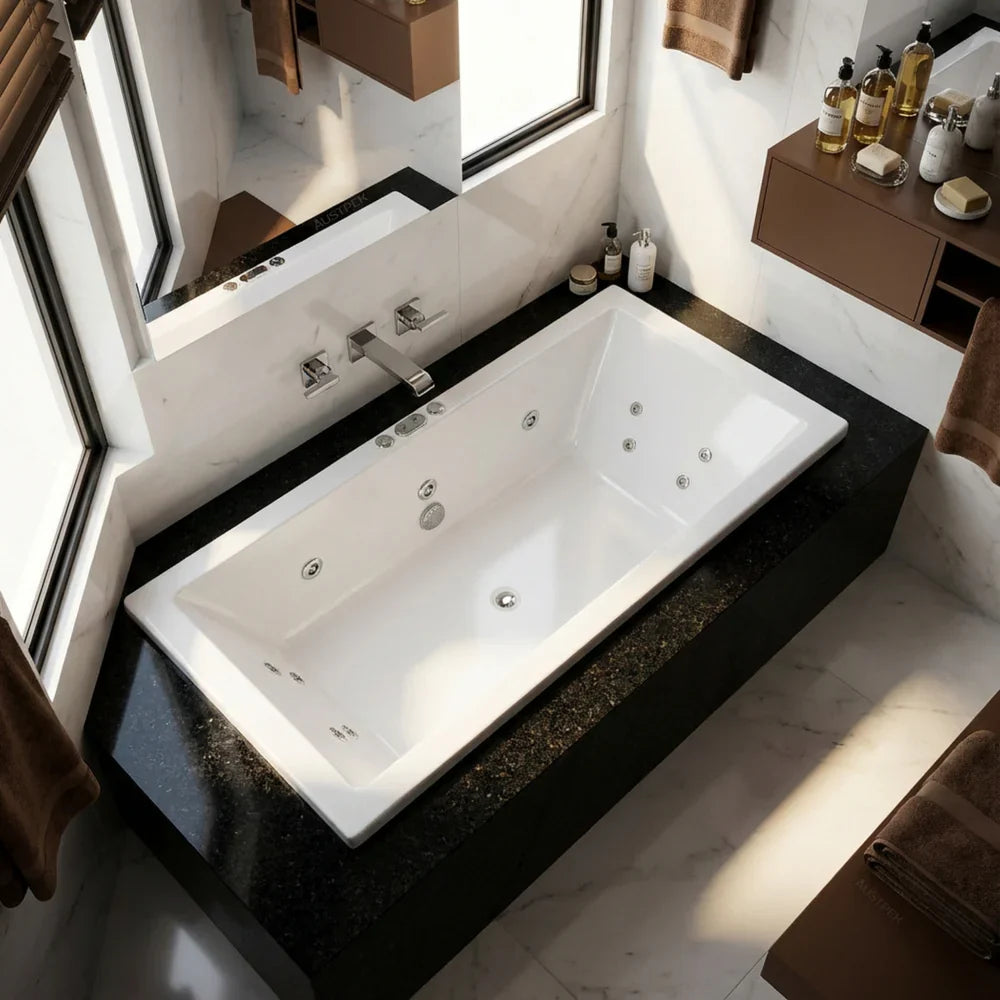
built-in tubs are the most common choice for tight floor plans because they fit between three walls, which keeps the footprint efficient and allows you to combine the bath with a shower above. They also help with water control, which is important when space is limited.
What to look for:
-
A sloped backrest so you can recline slightly
-
A flat standing zone if it will be used as a shower
-
A rim that works with a shower screen or curtain setup
Shop Built-in Bathtubs Here
2. Deep soaking short tubs


Best for: people who want a bath experience in less length
If you cannot get the length you want, depth becomes your friend. Some compact tubs are built deeper so you can soak more of your body even while sitting more upright.
What to look for:
-
A comfortable back angle or lumbar support
-
An overflow position that allows a reasonably deep fill
-
Enough internal width to avoid feeling boxed in
Shop Deep Soaking Bathtubs Here
3. Corner bathtubs


Best for: awkward layouts, bathrooms with unused corner space
Corner tubs can work well when a standard straight tub would block a walkway or clash with door swings. They can also create a more open centre area in the bathroom.
What to watch for:
-
Corner tubs can be harder to clean around
-
They can take more water than you expect
-
The “bath posture” is often more upright or angled
Corner tubs can be great, but they only feel worth it when the layout really demands it.
Shop Corner Bathtubs Here
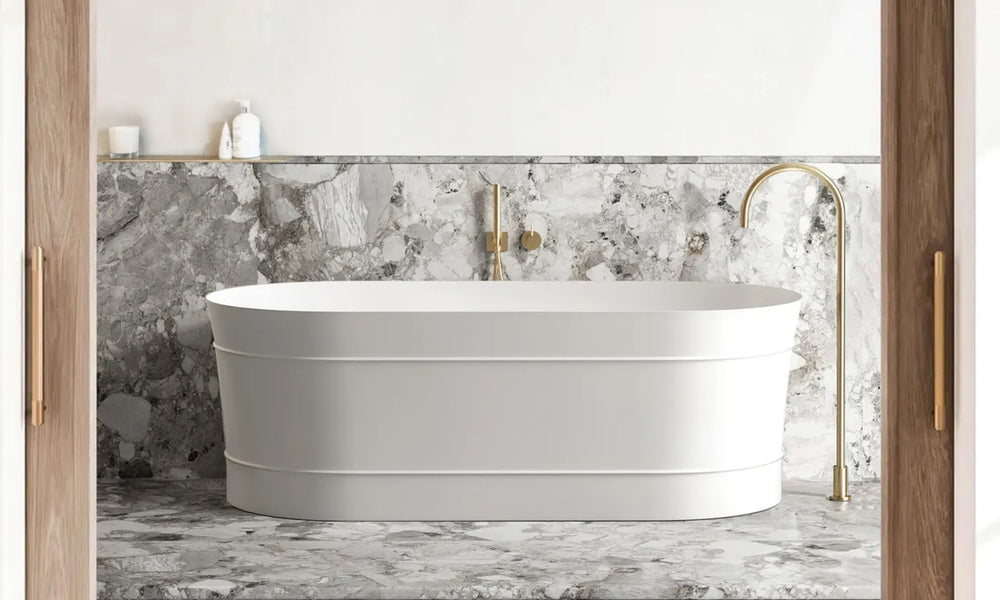
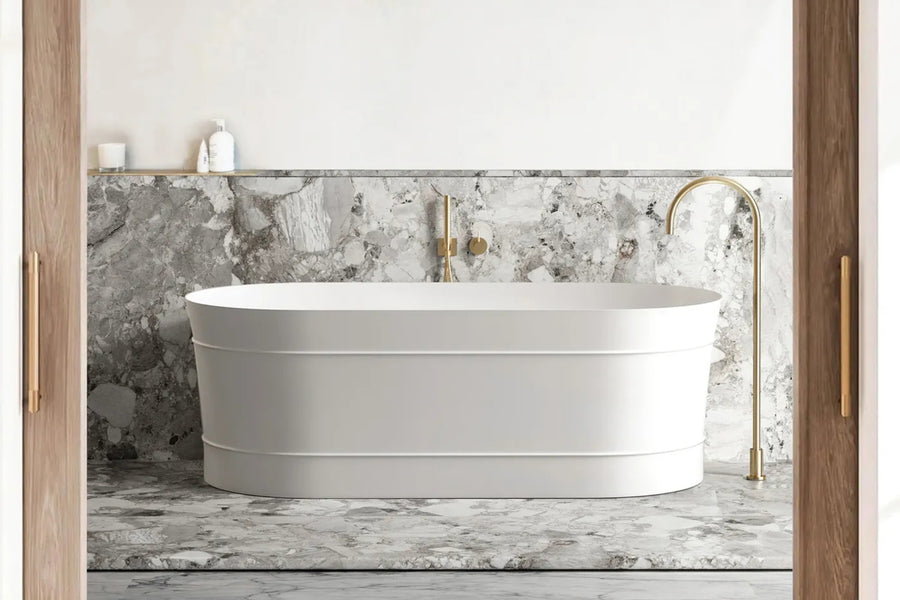
4. Back-to-wall compact freestanding tubs


Best for: design-focused small bathrooms that still need practicality
If you like the look of a freestanding tub but the space is tight, a compact back-to-wall tub can deliver the aesthetic without creating an impossible-to-clean gap behind it.
What to look for:
-
A true back-to-wall design, not a normal freestanding tub pushed against a wall
-
A footprint that does not crowd the vanity or toilet
-
Tapware planning, especially if you are wall-mounting
Shop Back-to-Wall Bathtubs Here
How to choose the right short bathtub
Here are the key things to consider when choosing the right short bathtub, so it fits your space properly and still feels comfortable to use.

1. Measure for the tub and the human
People often measure the space and forget the user. Look for:
-
Internal bathing length - reclining length
-
Depth to overflow - how deep the water can realistically get
-
Backrest comfort - important in shorter tubs where you sit more upright
If more than one person will use the bath, choose based on the tallest or least mobile user.
2. Layout tips for small bathrooms
Prioritise clear pathways
A compact tub can still feel cramped if it blocks movement. Keep walkways clear between the door, vanity, and shower zone.
Consider door swings and screen placement
In tight bathrooms, the door swing can ruin the layout. If possible, consider a sliding door or outward swing to free up space.
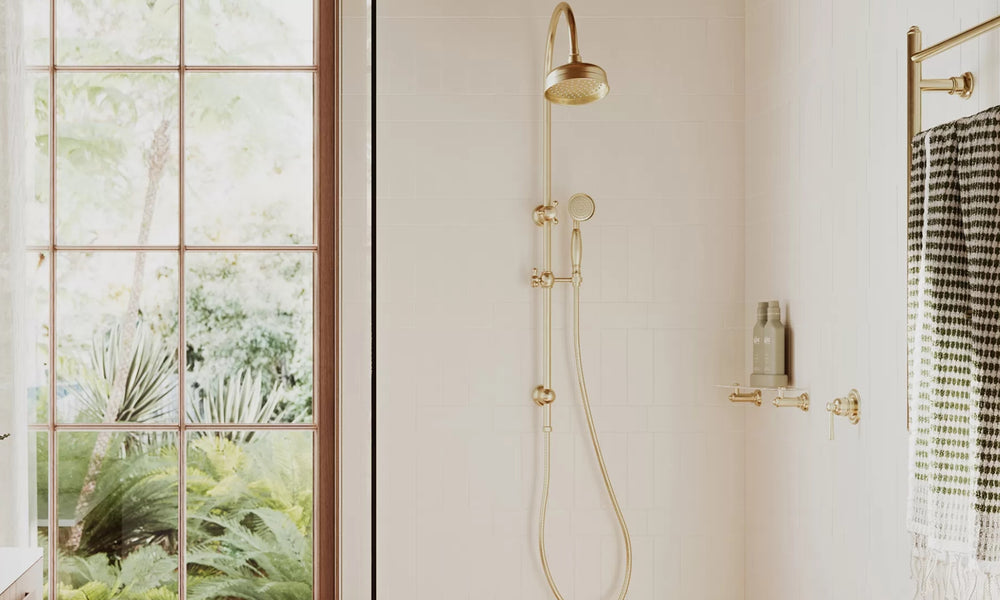
Use wall niches instead of ledges
Niches keep shampoo, soap, and bath products out of the way and reduce clutter, which makes small bathrooms look bigger.
Match fixtures to scale
Oversized tapware, bulky towel rails, or a huge vanity can make a compact tub feel squeezed. Slim, proportionate fixtures help the room feel balanced.
Materials that make sense in smaller tubs
Acrylic
Lightweight, cost-effective, and warm to the touch. Often the best all-rounder for compact bathrooms.
Enamelled steel
Strong and sleek, but can feel colder. Often used in built-in tub-shower setups.
Solid surface or stone resin
Beautiful and premium, but heavier and often more expensive. Works best when the rest of the bathroom design supports the upgrade.
Common mistakes with short bathtubs

-
Choosing a short tub that is also shallow, making it uncomfortable
-
Forgetting that a tub-shower combo needs a stable standing area
-
Using a full shower curtain without controlling splash in a tight room
-
Skipping storage planning, causing clutter on the tub rim
-
Buying a compact freestanding tub that leaves no cleaning access
Quick recommendations by goal
-
Best for a simple tub-shower in a small bathroom: compact built-in tub
-
Best for a true soaking experience: deep soaking short tub
-
Best for awkward floor plans: corner tub, only if the layout demands it
-
Best for style in a tight space: back-to-wall compact freestanding tub
Where to Buy Quality Space Saving Bathtubs in Australia
When you are working with a tight floor plan, every millimetre matters. Not all compact bathtubs are built the same, and small design differences in wall thickness, internal depth, and reinforcement can significantly affect comfort and durability.
Austpek Bathrooms has supplied premium bathroom products to Australian homeowners for over 20 years. Through our e-commerce store and Sydney showroom, you can compare space saving options including 1200 mm, 1300 mm, 1400 mm, and 1500 mm baths in reinforced acrylic, steel enamel, stone resin, and solid surface materials, all with clear specifications and transparent sizing.
For compact renovations, choosing a well-constructed bathtub with the right internal dimensions is just as important as finding one that fits the room.
Short bathtubs are all about making smart trade-offs. If you want the best result, aim for a tub that is compact in length but still comfortable in depth, and plan the layout so entry, exit, and daily cleaning remain easy. If you tell me your available wall-to-wall measurement and whether you need a shower over the tub, I can suggest the most sensible tub type and size range for your floor plan.


