

































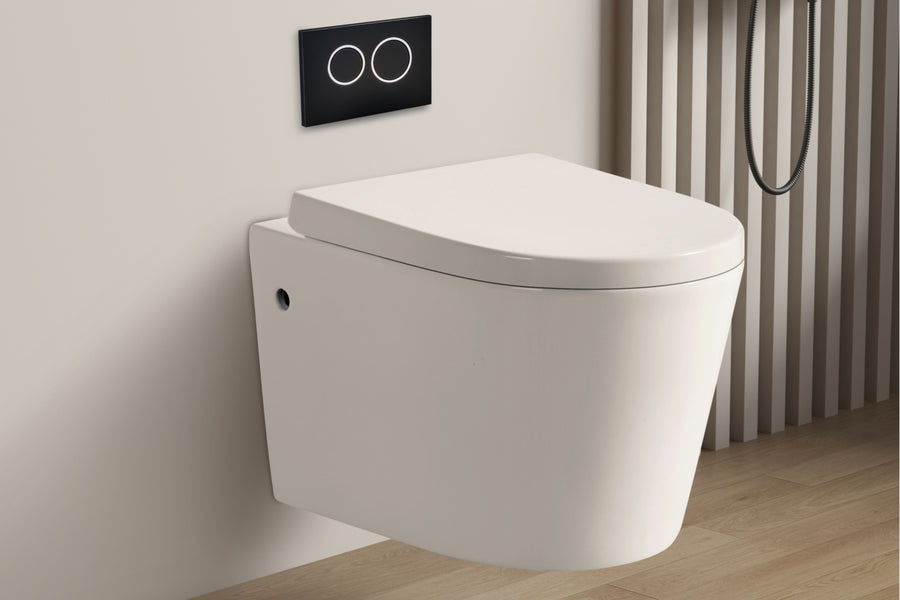



It depends, but for most people using a smart toilet bidet function properly, you usually do not need much wiping. You may still do a quick wipe to dry and to check you are clean, especially while you are getting used to it.
Do You Still Need to Wipe After Using a Smart Toilet?
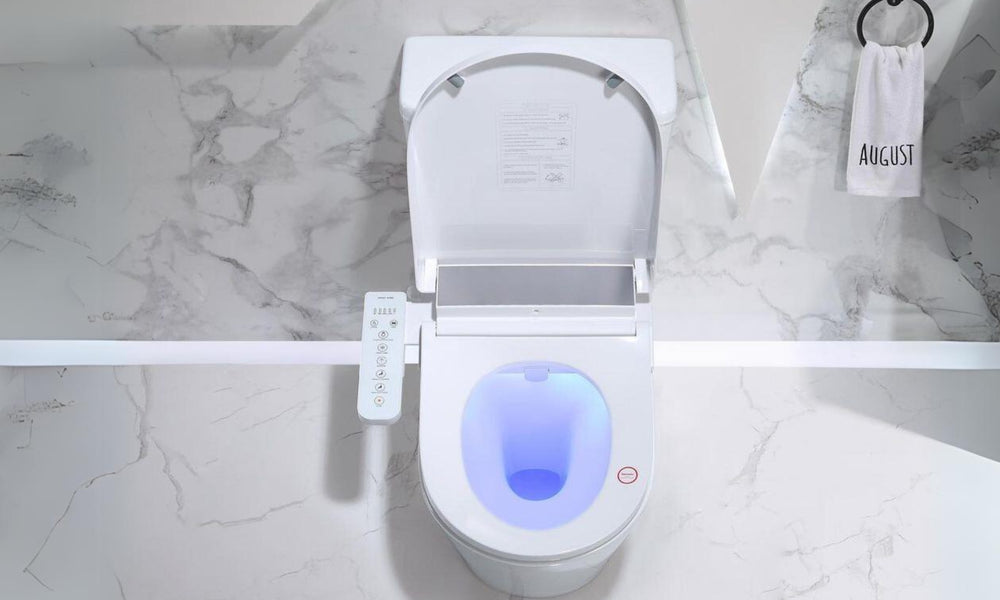
Smart toilets and bidet seats are designed to wash you clean with water, which naturally leads to the big question: do you still need toilet paper afterwards?
In practical, real-world use, most people end up using far less paper. Many either skip wiping entirely and use the dryer, or do a small amount of wiping for drying and reassurance. The best approach depends on the type of smart toilet you have, the wash settings you use, and your personal comfort level.
-
If your smart toilet has an effective wash and a warm air dryer: you can often go with no wiping, or a very small wipe just to dry or double-check.
-
If it does not have a dryer, or the dryer is weak/slow: you will likely use a small amount of toilet paper to dry.
-
If you are new to bidets: most people do a quick wipe at first for peace of mind, then reduce it over time as they learn the right settings.
Why People Still Wipe Sometimes
1. Drying is the main reason
Water cleans, but it does not automatically dry. Many smart toilets have a dryer, but drying can take a bit longer than a quick dab of paper. A lot of people find a small amount of paper is the fastest dry option, even if they rely on water for cleaning.
2. Confirmation and confidence
Even if the wash is doing the work, people often want a quick “check wipe” out of habit, especially in the first couple of weeks. Over time, most users either stop doing this or reduce it to almost nothing.
3. Settings might not be dialled in yet
Wash effectiveness depends on:
-
nozzle position
-
water pressure
-
wash mode (rear vs oscillating vs wide spray)
-
wash duration
If pressure is too low or the spray is not aimed correctly, you will not feel fully clean. That is usually a settings issue, not a “bidets do not work” issue.
How To Get Clean Enough To Skip Wiping
If you want the “wash and done” experience, these tips help:
1. Use The Right Wash Mode
Many smart toilets have more than one mode, such as:
-
rear wash
-
oscillating wash
-
wide spray
A wider spray can be more forgiving when you are learning. Oscillation can improve coverage.
2. Increase Duration Before Increasing Pressure
If you are not feeling clean, do not immediately crank pressure to the top. Start by running the wash a little longer. This often improves results without discomfort.
3. Adjust Nozzle Position
This is one of the biggest differences between “it kind of works” and “wow, that is clean.” Small adjustments make a big impact.
4. Use the dryer if you have time
The dryer works best when you:
-
stay seated
-
run it long enough
-
use it after a thorough wash
If you are in a rush, a small dab of paper is faster.
What most people do day-to-day
A very common routine is:
-
Use the wash function
-
Use the dryer for a short cycle, or skip it
-
Use a small amount of paper to dry or check, if needed
Over time, people often move toward:
-
wash + dryer only, or
-
wash + a quick dab of paper
Either way, paper use typically drops a lot.
Hygiene and is it actually clean?
Water cleaning can be very effective. Many people feel cleaner compared to wiping alone, especially if they use the correct settings and give it enough time. That said, smart toilets are not magic. If you rush the wash or use very low pressure and short duration, you may not get the full benefit.
If you have sensitive skin, haemorrhoids, or irritation issues, many users find gentle water cleansing is more comfortable than frequent dry wiping.
When wiping is still a good idea
You might still want to wipe if:
-
the toilet has no dryer and you want to be fully dry
-
you are dealing with messy situations and want a quick check wipe
-
you are in a hurry
-
you are sharing a bathroom and prefer a consistent routine
Using less paper does not have to mean using none.
Most smart toilet owners find they use far less toilet paper after switching to a wash function. In many cases, a thorough wash plus dryer means little to no wiping, with wiping mainly used for drying or reassurance, especially when you are still getting used to the settings.


