












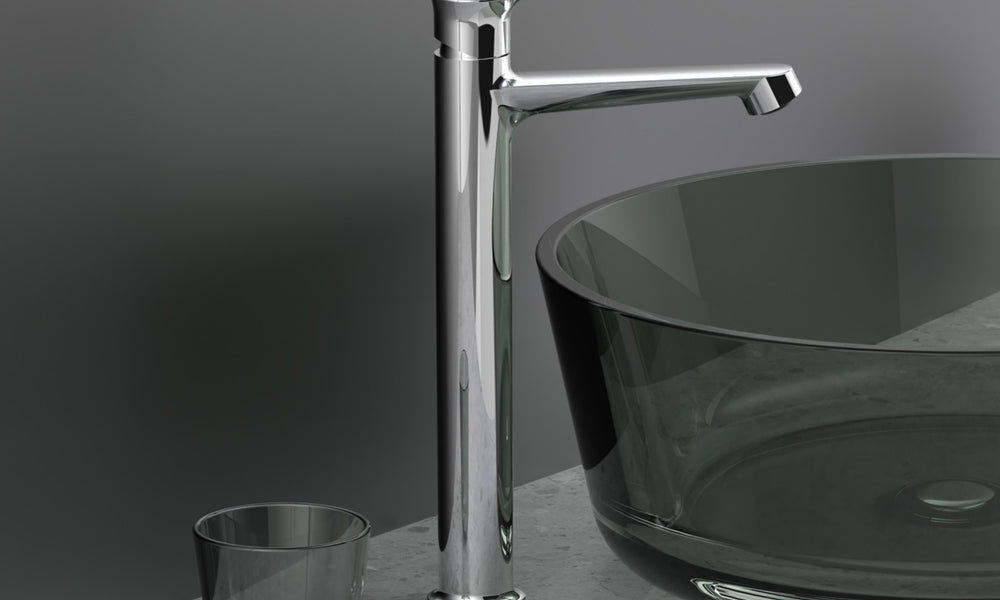


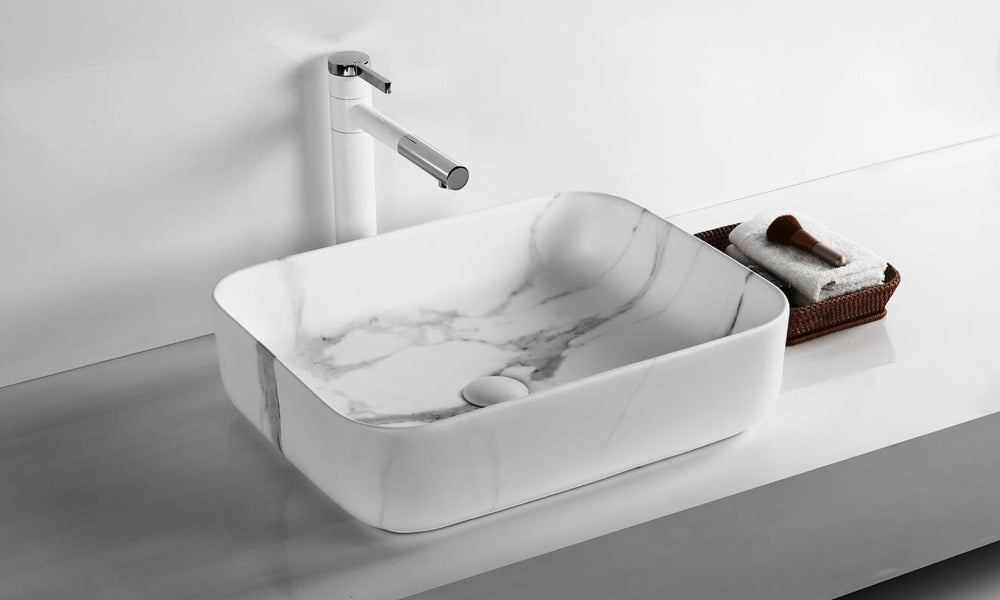


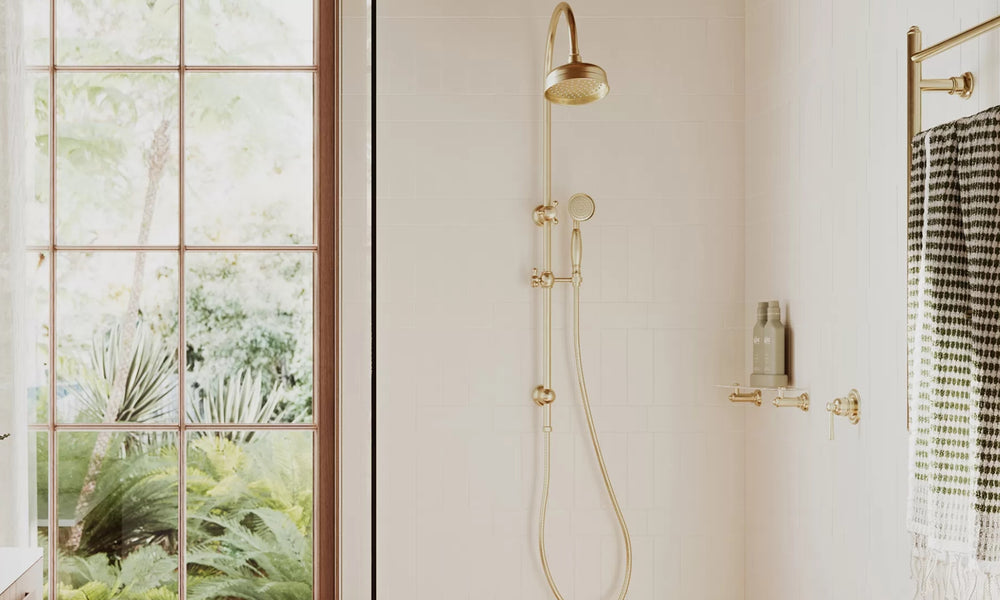


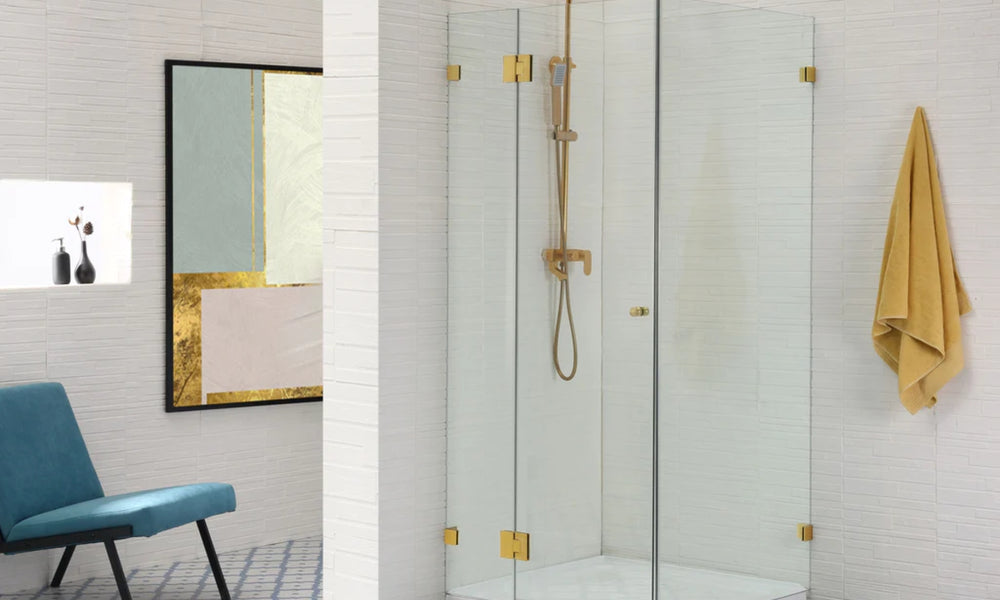












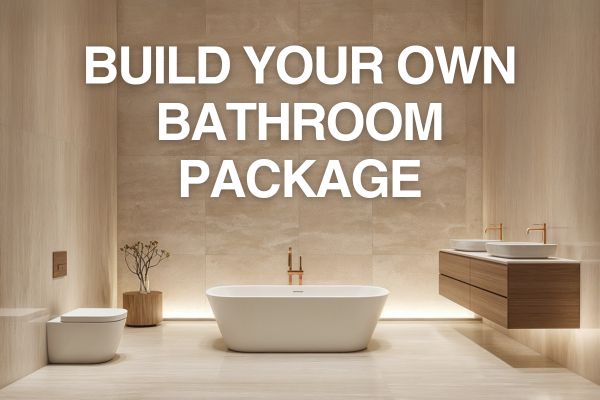


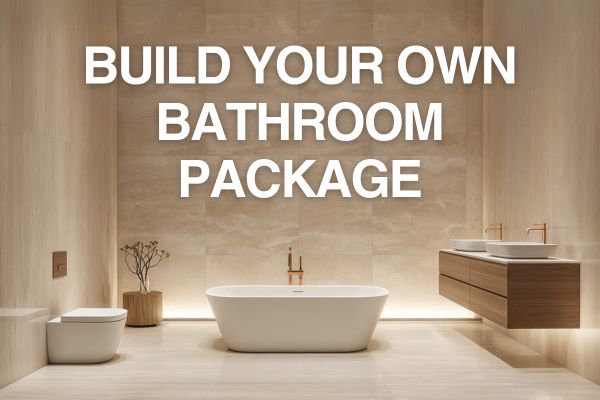


A bath is one of the few remaining places in the home where time is allowed to slow down. It is a deeply personal space, designed for disconnection and quietude. At Austpek, our collection is curated with a focus on form and thermal integrity. We select pieces that do more than occupy a room; they define its atmosphere through light, texture, and proportion.
This guide is intended to help you navigate the practicalities of selection, sizing, material, and placement, ensuring your choice feels as right in a decade as it does today.
Freestanding vs Back to Wall vs Built in Baths
The “right” bath is less about trends and more about how the room needs to function. Each style creates a different visual effect, takes a different amount of space, and asks for a different level of cleaning access.
Freestanding Baths
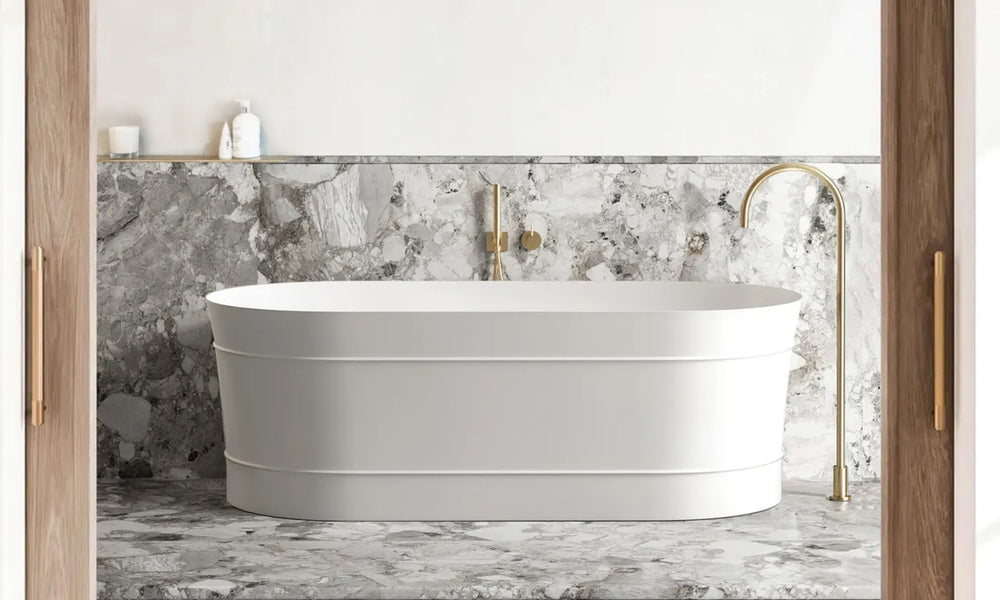
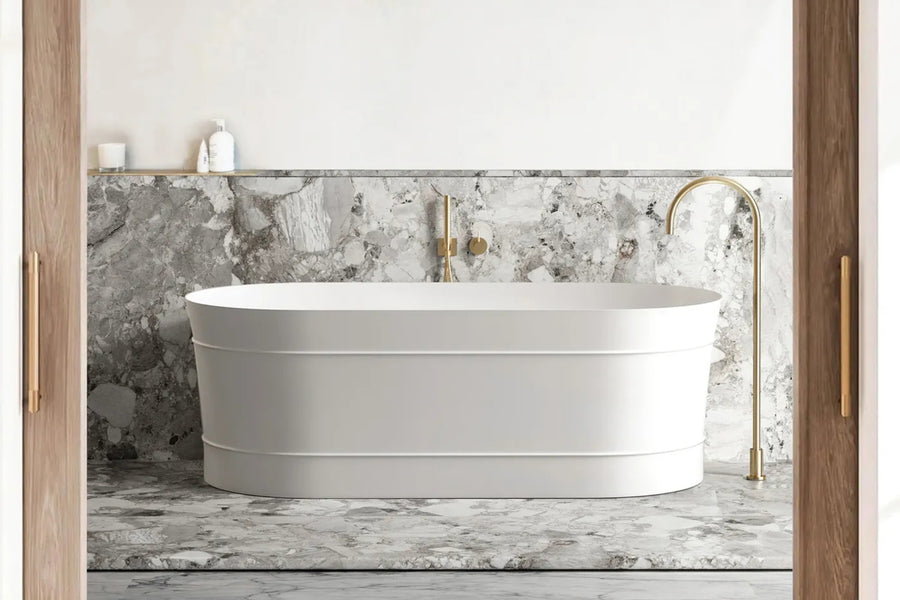
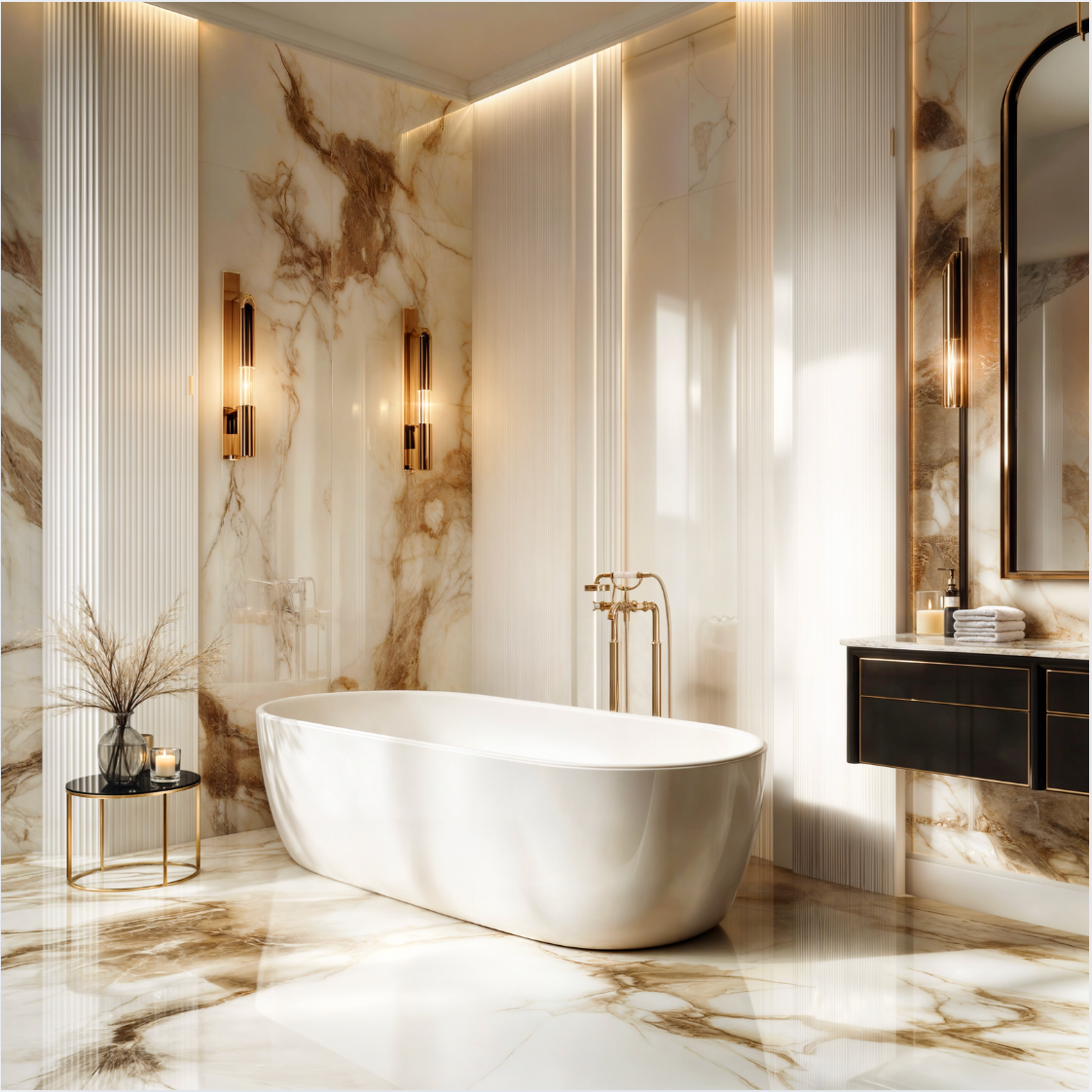
Freestanding baths feel like a sculptural centrepiece. Light moves around the form, which makes the bathroom feel more expansive and curated. This style performs best when it has breathing space. A minimum of 150mm clearance helps preserve the floating look and keeps cleaning practical. In contemporary Australian homes, organic, soft-curved profiles are popular because they soften the geometry of tiled walls and floors.
Back to Wall Baths
Back to wall baths offer the look of a freestanding unit with a smarter footprint. Because one side sits flush to the wall, you remove the dead space behind the bath and simplify cleaning, without losing the refined curved face that gives the bath its presence. It is a confident choice for a modern ensuite where space matters but style still needs to feel elevated.
Built In Baths
Built in baths prioritise permanence and family practicality. Integrated into a tiled surround or island, they offer a stable ledge for children, bath products, and easy access. They blend into the room’s architecture and remain the most functional option for high-traffic bathrooms, especially where durability and daily ease matter more than sculptural impact.
A quick comparison that tends to make the decision clearer:
-
Freestanding for statement design and open space around the bath
-
Back to wall for a freestanding look with easier cleaning and tighter planning
-
Built in for family use, generous edges, and long-term practicality
Acrylic vs Stone Resin Bath Materials
Material determines the real luxury of a bath because it controls warmth, silence, and how long the soak stays comfortable.
Acrylic is prized for its natural warmth and everyday resilience. It is lightweight, making it ideal for upper floors and easier installations. The non-porous surface is hard-wearing in busy homes and tends to feel forgiving for daily use.
Stone resin delivers a different experience entirely. It has a specific weight and quietness that reads as premium the moment you touch it. Its thermal mass holds heat longer, so the soak stays deeper and more restorative. The finish is matte and velvety, offering a sensory quality that acrylic cannot replicate.
Material choice in simple terms:
-
Acrylic for lighter weight, family durability, and value with comfort
-
Stone resin for heat retention, tactile luxury, and a more spa-like atmosphere
Deep Soak vs Spa Baths
Once style and material are chosen, the next comparison is about wellness. Do you want pure immersion, or do you want hydrotherapy?
Deep soak baths focus on immersion depth. Anything over 450mm internal depth supports full-body soaking and genuine muscle relief through heat and buoyancy. This option delivers a restorative experience with minimal maintenance and fewer mechanical considerations.
Spa baths add targeted hydrotherapy through refined, quiet jets designed to stimulate circulation and ease tension. This is a purposeful choice for recovery routines and active lifestyles. It does introduce additional planning for power, access, and ongoing care, but the payoff is a more therapeutic experience.
A practical way to decide:
-
Choose a deep soak model if you want restorative heat with the lowest maintenance
-
Choose a spa system if hydrotherapy is a core part of your wellness routine
Sizing and Clearance that Keeps the Room Feeling Calm
A bath should fit the body, not just the room. Lengths typically range from 1500mm to 1800mm, but internal depth is the detail that changes how the bath feels. A deeper soaking depth, anything over 450mm, supports full immersion and better comfort.
For layout, plan breathing space so the room stays refined rather than obstructed. We recommend at least 600mm of clear walkway around the bath. For freestanding designs, keep at least 150mm clearance from walls to maintain the sculptural effect and allow cleaning access.
Care and Long-term Form
The longevity of a premium bath is protected through simple care. Avoid abrasive chemicals that dull surfaces over time. A soft cloth and pH-neutral soap are sufficient for both acrylic and stone resin.
Freestanding stone baths also require a practical check behind the scenes. A stone resin bath filled with water carries significant weight, so your builder should verify the floor structure to ensure the foundation feels as solid as the design looks.
Frequently Asked Questions
Which bath suits a compact ensuite?
-
A back to wall model is usually the most successful. It provides the visual presence of a freestanding unit while using the wall to save floor space and simplify cleaning.
Is stone resin worth the investment?
-
For primary ensuites, yes. Heat retention and that solid, tactile feel elevate the room into a spa-like retreat.
Does a freestanding bath make cleaning harder?
-
Only if it is placed too close to the wall. Providing 150mm of clearance ensures you can easily reach behind the unit and keep the floor pristine.
The Austpek Standard
Whether you are drawn to the architectural clarity of a stone freestanding bath or the practical warmth of a built in acrylic model, our collection is built to the highest Australian standards.


