


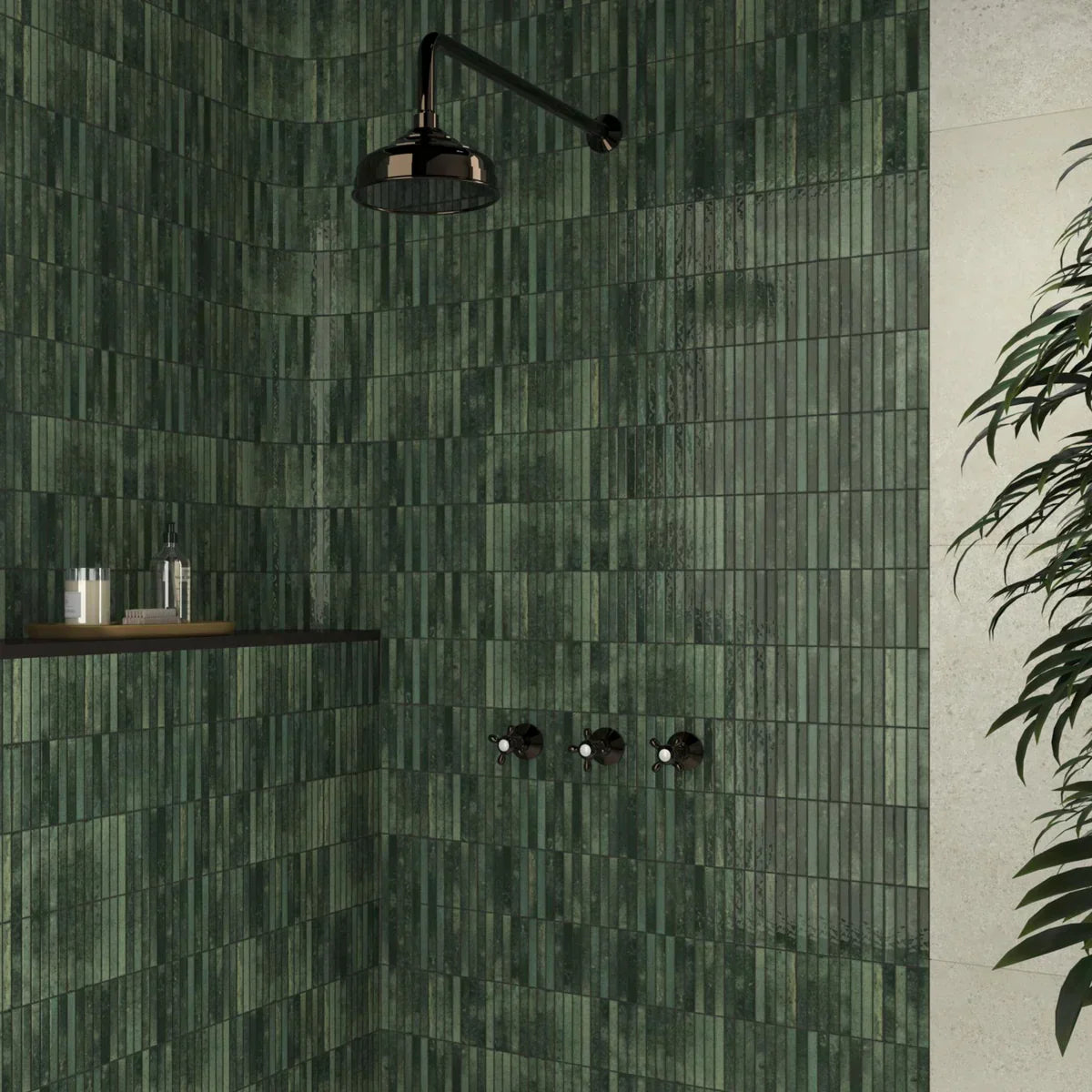
Mould usually forms when moisture lingers too long in a warm, poorly ventilated bathroom. It starts small - maybe a few dark spots on the grout or ceiling - but spreads quickly if left unchecked. This isn’t just about looks; Mould can cause unpleasant odours, damage surfaces, and even trigger allergies or breathing issues.
So, how do you prevent Mould in your bathroom? Keep it dry, well-ventilated, and clean. Mould thrives on humidity and organic matter (like soap scum and dust), so the best way to stop it is by cutting off its food and moisture sources. With a few simple habits, you can protect your bathroom from turning into a Mould hotspot.
1. Improve Bathroom Ventilation

Proper ventilation is your first line of defence. Turn on your exhaust fan every time you shower or bathe - and leave it running for at least 15 minutes afterward to clear out excess humidity.
If your bathroom doesn’t have a fan, open windows and doors when possible to let moisture escape. For small or enclosed bathrooms, a dehumidifier can also help keep humidity levels low.
2. Wipe Down Wet Surfaces After Use
Water sitting on tiles, shower screens, or vanities is a Mould magnet. After every shower, use a squeegee or towel to wipe down glass doors, walls, and benchtops. This simple step helps reduce the moisture that Mould feeds on.
Don’t forget less obvious spots like under shampoo bottles or along silicone edges.
3. Keep Bathroom Fixtures Dry
Mould often grows around taps, drains, and between tile grout lines. Wipe excess water from basins, bathtubs, and shower floors after use. Make sure your shower curtain or door fully dries - leave them open after each use so air can circulate.
4. Regularly Clean with Mould-Preventing Products
Weekly cleaning is one of the best ways to stop Mould before it starts. Use mild cleaning agents or natural alternatives like vinegar and baking soda. For stubborn areas, use a cleaner with anti-Mould properties.
Focus on grout, corners, and silicone seals - these are the first places Mould tends to appear.
5. Fix Leaks Promptly
Even a small leak can cause hidden moisture buildup behind walls or under tiles. Check pipes, showerheads, and taps for any drips, and repair them as soon as possible. Preventing leaks early on can save you from costly Mould remediation later.
6. Use Mould-Resistant Paints and Materials
If you’re renovating or refreshing your bathroom, choose Mould-resistant paints, sealants, and grout. These materials are designed to withstand humidity and prevent Mould growth, helping your bathroom stay clean longer.
7. Keep Humidity Levels Low
Use a hygrometer to monitor humidity levels - ideally, your bathroom should stay below 60%. If you notice foggy mirrors or persistent dampness, consider improving your ventilation setup or adding a portable dehumidifier.
8. Wash Towels and Bath Mats Regularly
Damp fabrics can breed Mould and spread it around your bathroom. Wash towels, mats, and shower curtains often, and let them dry completely before use. Opt for quick-dry materials that don’t trap moisture.
9. Use Heated Towel Railings
Heated towel railings are not just a touch of luxury—they’re also practical for preventing mould. By helping your towels dry faster, they reduce lingering moisture that mould thrives on. This keeps your bathroom fresher and more hygienic, especially during humid months.
Explore our Heated Towel Rail Collection →
Final Thoughts
Preventing Mould in your bathroom is all about consistency - ventilate well, keep things dry, and clean regularly. With these small changes, you’ll create a healthier, fresher bathroom that not only looks great but stays Mould-free for the long run.


