





LUKKA ELLIPS SLIM FREESTANDING BATHTUB GLOSS WHITE (AVAILABLE IN MULTIPLE SIZES)
Sale priceFrom $1,377.00
Regular price$1,620.00


LUKKA ELLIPS SLIM FREESTANDING BATHTUB MATTE BLACK (AVAILABLE IN 1530MM AND 1700MM)
Sale priceFrom $1,700.00
Regular price$1,999.00


LUKKA ELLIPS SLIM FREESTANDING BATHTUB MATTE WHITE (AVAILABLE IN 1395MM, 1530MM AND 1700MM)
Sale priceFrom $1,572.00
Regular price$1,849.00


LUKKA ELLIPS SLIM FREESTANDING BATHTUB WITH OVERFLOW GLOSS WHITE (AVAILABLE IN 1395MM, 1530MM AND...
Sale priceFrom $1,377.00
Regular price$1,620.00


LUKKA ELLIPS SLIM FREESTANDING BATHTUB WITH OVERFLOW MATTE WHITE (AVAILABLE IN 1395MM, 1530MM AND...
Sale priceFrom $1,598.00
Regular price$1,879.00


LUKKA NOVA SLIM FREESTANDING BATHTUB OVERFLOW GLOSS WHITE 1690MM
Sale price$1,484.00
Regular price$1,745.00


LUKKA NOVA SLIM FREESTANDING BATHTUB OVERFLOW MATTE WHITE 1690MM
Sale price$1,691.00
Regular price$1,989.00


LUKKA ORTA FREESTANDING BATHTUB GLOSS WHITE 1450MM
Sale price$1,399.00
Regular price$1,645.00


LUKKA ORTA FREESTANDING BATHTUB MATTE WHITE 1450MM
Sale price$1,572.00
Regular price$1,849.00


LUKKA VALLA FREESTANDING BATHTUB GLOSS WHITE (AVAILABLE IN 1500MM AND 1700MM)
Sale priceFrom $1,399.00
Regular price$1,645.00


LUKKA VALLA FREESTANDING BATHTUB OVERFLOW MATTE WHITE (AVAILABLE IN 1500MM AND 1700MM)
Sale priceFrom $1,598.00
Regular price$1,879.00


LUKKA VOGA FREESTANDING BATHTUB OVERFLOW GLOSS WHITE 1800MM
Sale price$1,700.00
Regular price$1,999.00


LUKKA VOGA FREESTANDING BATHTUB OVERFLOW MATTE WHITE 1800MM
Sale price$1,828.00
Regular price$2,150.00


LUKKA PARADISO FREESTANDING BATHTUB OVERFLOW GLOSS WHITE 1300MM
Sale price$1,913.00
Regular price$2,250.00


LUKKA PARADISO FREESTANDING BATHTUB OVERFLOW MATTE WHITE 1300MM
Sale price$1,998.00
Regular price$2,350.00


LUKKA OLLEY FREESTANDING BATHTUB OVERFLOW GLOSS WHITE 1350MM
Sale price$1,998.00
Regular price$2,350.00


LUKKA OLLEY FREESTANDING BATHTUB OVERFLOW MATTE WHITE 1350MM
Sale price$2,083.00
Regular price$2,450.00


LUKKA VALLA FREESTANDING BATHTUB GLOSS WHITE 1600MM
Sale price$1,484.00
Regular price$1,745.00


LUKKA AGENA FLUTED FREESTANDING BATHTUB GLOSS BLACK AND WHITE (AVAILABLE IN 1500MM AND 1700MM)
Sale priceFrom $1,589.00
Regular price$1,869.00


LUKKA AGENA FLUTED FREESTANDING BATHTUB GLOSS WHITE (AVAILABLE IN 1500MM AND 1700MM)
Sale priceFrom $1,411.00
Regular price$1,659.00


LUKKA AGENA FLUTED FREESTANDING BATHTUB MATTE BLACK 1700MM
Sale price$1,794.00
Regular price$2,110.00


LUKKA AGENA FLUTED FREESTANDING BATHTUB MATTE WHITE (AVAILABLE IN 1500MM AND 1700MM)
Sale priceFrom $1,530.00
Regular price$1,799.00


LUKKA AGENA FLUTED FREESTANDING BATHTUB OVERFLOW GLOSS WHITE (AVAILABLE IN 1500MM AND 1700MM)
Sale priceFrom $1,411.00
Regular price$1,659.00


LUKKA AGENA FLUTED FREESTANDING BATHTUB OVERFLOW MATTE WHITE (AVAILABLE IN 1500MM AND 1700MM)
Sale priceFrom $1,530.00
Regular price$1,799.00
Baths Purchasing Guide
View All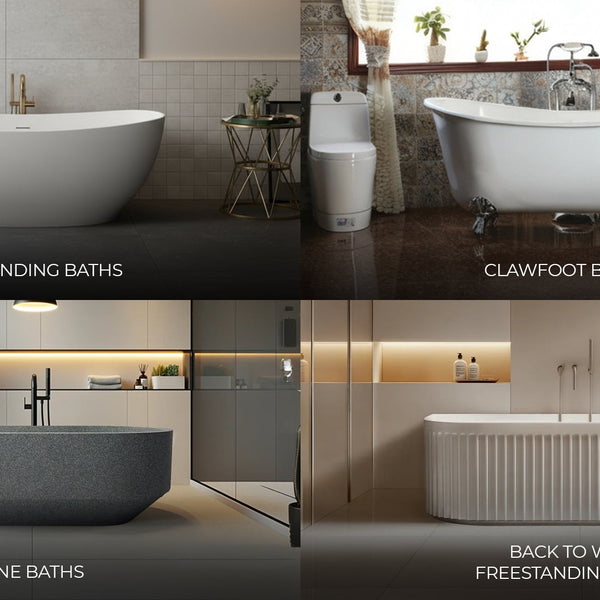
How to Choose the Right Bathtub for Your Bathroom?
How to Choose the Right Bathtub for Your Bathroom?
As a soothing reward, meditative respite, and genuinely private experience, baths play a vital role in the...
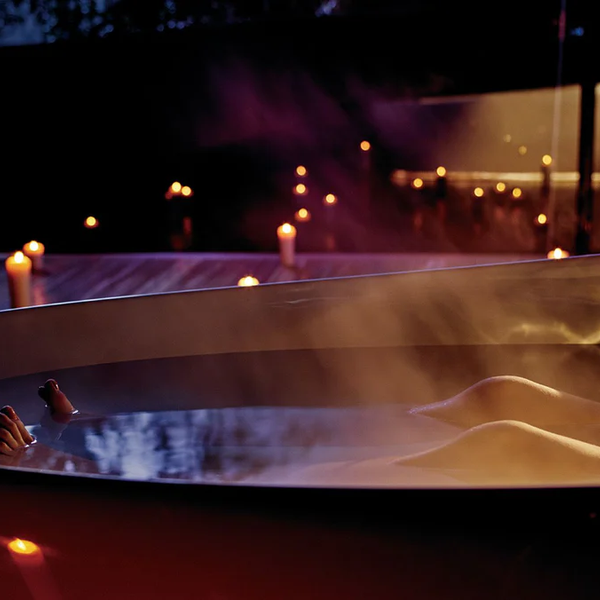
Most Luxurious Bath in Australia
There are countless reasons why you won’t be able to look away from this bath, and this article is here to show you why. For many, the idea of a $40,000 bath...
Recently viewed

