


































What Australians are buying, how they use it, and what they pay. Based on Austpek Bathrooms range and buying trends over the past year.
Overview
Smart toilets in Australia are most often bought as a bidet seat paired with a toilet, rather than as a single built-in unit, and the typical purchase costs around $2,700. Across the 2025–26 financial year, seats and toilet-and-seat packages together made up more than nine in ten purchases, while all-in-one units stayed at the smaller, premium end.
Prices run from around $700 for a seat on its own to around $25,000 for a top-of-the-range built-in model, though four in five buyers spend under $5,000. This report sets out how Australians are actually choosing and using smart toilets, drawn from Austpek's range and records.
The Three Types of Smart Toilet
There are three ways to buy a smart toilet, and knowing them makes the rest of this report easy to follow.
-
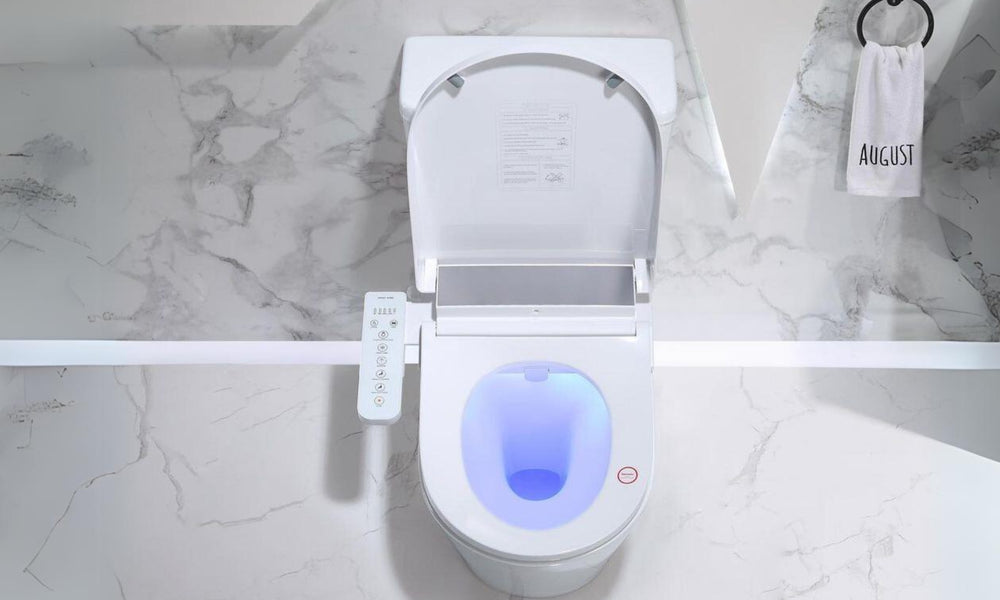
Bidet seat (also called a washlet or electronic bidet): the electronic seat on its own. It replaces the seat on the toilet you already have and adds warm-water washing, usually with a heated seat and drying. It needs a power point and a water connection near the toilet. Washlet is TOTO's name for its bidet seats, and in Australia the word is often used for bidet seats generally.
-
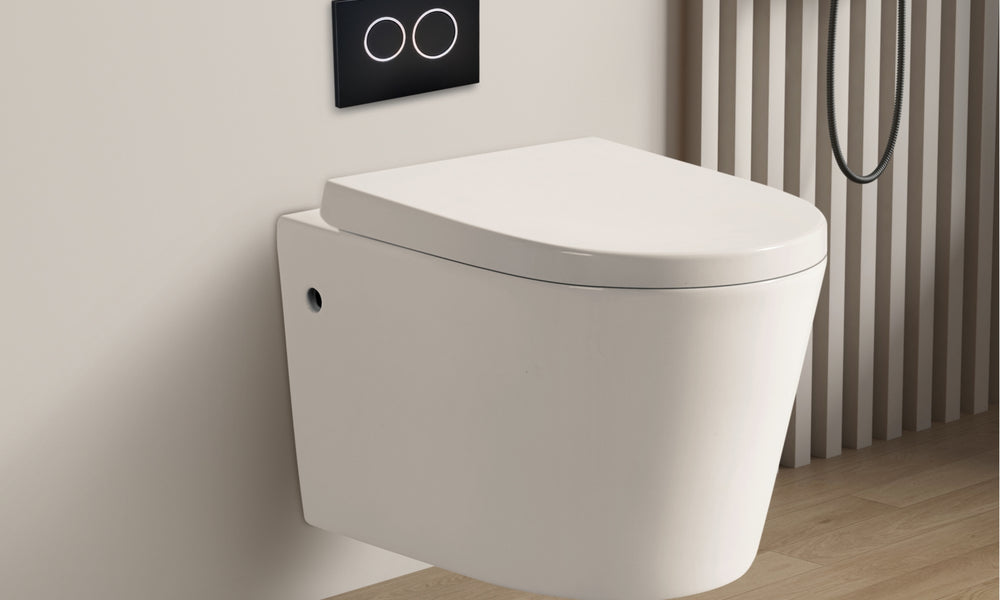
Toilet-and-seat package: a matching toilet and bidet seat sold together, so the two are guaranteed to suit each other.
-
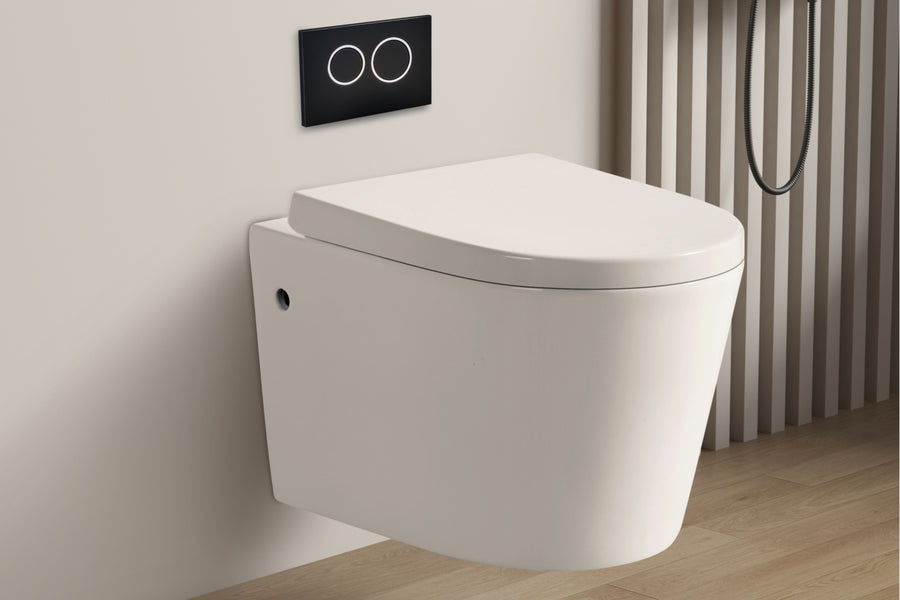
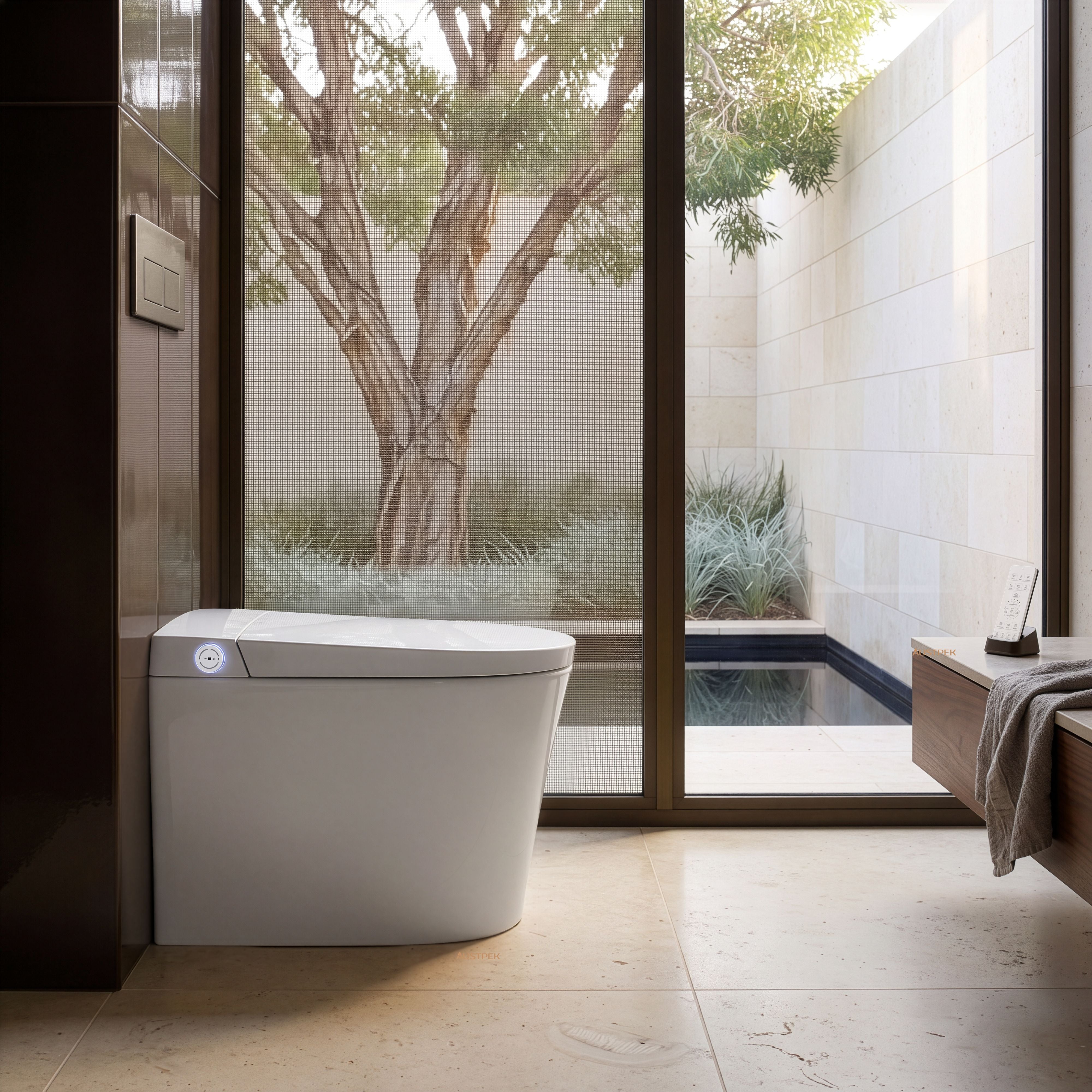
Integrated (all-in-one) smart toilet: the toilet and electronic seat built as a single piece. You replace the whole toilet, so this suits a new bathroom or a full renovation.
Key findings
-
62% of purchases are toilet-and-seat packages, 29% are bidet seats on their own, and 8% are all-in-one units.
-
The typical purchase costs around $2,700, and 81% of purchases are under $5,000.
-
57% of buyers choose a handheld remote and 43% choose a side panel, closer than the range on sale, which is about 79% remote-operated.
-
A bidet seat on its own typically costs around $1,100, a package around $3,400, and an all-in-one unit around $3,300.
-
All-in-one units are 8% of purchases but close to a quarter of the money spent, because they cost more each.
-
Smart toilets come from more than fifteen brands, and more than half the range uses a rimless bowl (a bowl with no rim, which is easier to clean).
How Australians Buy Smart Toilets

Most people add a bidet seat to a toilet rather than replacing the whole toilet with a built-in unit.
-
Toilet-and-seat packages are the most common purchase, at 62% of sales.
-
Bidet seats bought on their own account for a further 29%, fitted to a toilet the buyer already owns.
-
All-in-one units make up 8% of purchases, mostly during full renovations and new builds, when the whole toilet is being replaced anyway.
-
Seats and packages together make up 92% of purchases, so for most people a smart toilet is a seat upgrade, not a whole new toilet.
-
Most people spend less than the average suggests. The typical (middle) purchase is around $2,700, but a smaller number of expensive purchases lift the overall average to around $3,700.
What Buyers Pay

Which of the three types you choose matters more for the price than any single feature does. Each step up adds cost.
-
A bidet seat on its own is the most affordable way in. These run from around $700 to $4,300, and most cost around $1,100.
-
A matching toilet-and-seat package is the middle option. These run from around $1,000 to $10,700, and most cost around $3,400.
-
An all-in-one unit is the premium option. These run from around $900 to $6,000, with most around $3,300 and top models reaching around $25,000.
-
Adding a matching toilet to a seat costs around $2,300 more. That is the usual difference between buying the seat alone and buying the seat and toilet together.
-
Most models are mid-priced. About a quarter of the range is under $1,500, roughly 38% is between $3,000 and $5,000, and only about 5% is over $10,000.
-
Most buyers spend under $5,000, which is true of 81% of purchases.
Type |
Price range |
Most cost around |
Share of purchases |
|
Bidet seat (on its own) |
~$700 – $4,300 |
~$1,100 |
29% |
|
Toilet-and-seat package |
~$1,000 – $10,700 |
~$3,400 |
62% |
|
All-in-one unit |
~$900 – $6,000 (top models ~$25,000) |
~$3,300 |
8% |
How buyers control their smart toilet

A smart toilet is operated in one of two ways: a handheld remote, or a control panel fixed to the side of the seat. This is the choice where what people buy differs most from what is on offer.
-
About 79% of the models on sale come with a handheld remote.
-
When it comes to what people actually buy, remotes take 57% and side panels take 43%.
-
So side panels are chosen far more often than their share of the range would suggest.
-
The best-selling bidet seat of the year is a side-panel model, which shows the side panel is a leading choice, not a second-best one.
-
A few models include both a remote and a side panel, so you can use whichever suits.
How the range is changing
The range is growing fastest among all-in-one units, even though buyers have not yet followed.
-
All-in-one units are about a third of the models on sale but only 8% of purchases, partly because many were added during 2025–26 and are still building a sales record.
-
A wave of new all-in-one models arrived across 2025 and 2026 from a broad set of brands.
-
All-in-one units now start much lower than their premium image suggests, with several under $3,000 alongside top models near $25,000.
-
Seats and packages remain the core of the market, at 92% of purchases and covering the mid prices where most people buy.
What This Means For Buyers
A smart toilet is an upgrade most people make without renovating. Because 92% of purchases are seats or packages rather than all-in-one units, buying one rarely depends on doing up the bathroom. Anyone with a working toilet and a power point nearby can add one, which is a much larger group than people currently renovating. For most households it is a single change that can be made at any time.
The real starting price is well below the models people picture. Bidet seats start at around $700 and most cost around $1,100, and the typical purchase across all types is around $2,700. The premium units in most advertising cost far more, so buyers who compare against them tend to overestimate the cost.
The step from a seat to a full package is smaller than most expect. A matching package costs only around $2,300 more than a seat on its own, and that buys a coordinated toilet and seat. For a tired existing toilet or a renovation, it is a modest step up.
Side panels are more popular than the market assumes. Most models on sale come with a remote, yet 43% of buyers choose a side panel, and the year's best-selling seat is a side-panel model. A simple, fixed control that is always in reach clearly appeals to many people, which is worth keeping in mind when the displays lean heavily toward remotes.
All-in-one units are a small share of sales but a large share of spend. At 8% of purchases and close to a quarter of the money spent, they matter at the premium end even as seats and packages carry the volume. The recent arrival of all-in-one models under $3,000 is the change most likely to shift this over the coming year.
About Austpek Bathrooms
This report draws on the range and buying patterns at Austpek Bathrooms, an Australian online bathroom retailer with more than 25 years in the trade. Austpek carries one of the country's widest smart toilet ranges, spanning bidet seats, toilet-and-seat packages and all-in-one units from more than fifteen brands, with Australia-wide delivery and complimentary shipping insurance on every order. You can explore the full smart toilet range online at austpekbathrooms.com.au.


